
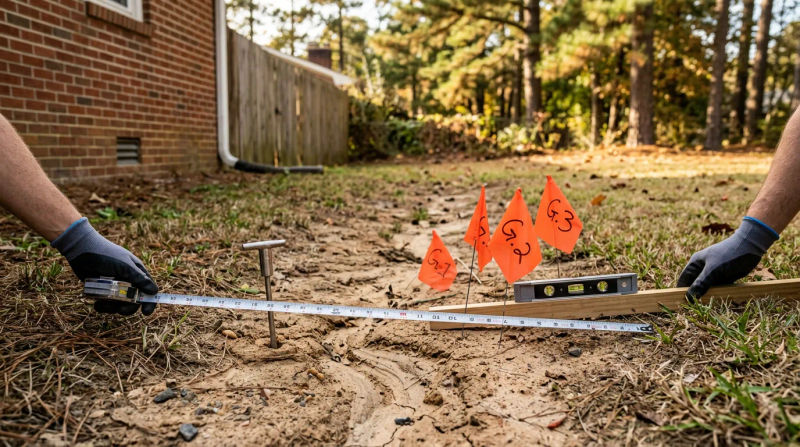
You’ve got the plans drawn up for a new patio, a detached garage, or maybe even a home addition. It’s an exciting time, and you can already picture the finished project. But before the first shovel of dirt is turned, there's a critical step that many property owners overlook: understanding the ground your project will be built on. From my 14 years running grading crews, I can tell you that what lies beneath the surface dictates the success, timeline, and budget of any excavation work. This is especially true here in Rocky Mount, where a property's soil conditions and drainage patterns can vary significantly from one block to the next. A simple walk-through can reveal hidden issues that could derail your plans if not addressed properly from the start.
With the cooler October air setting in and summer's dense vegetation starting to thin, now is the ideal time to perform a pre-excavation assessment. The ground is often less saturated than during peak summer storms, and the sparser foliage makes it easier to spot subtle dips, drainage paths, and other tell-tale signs of trouble. Taking the time for a thorough look can save you from costly surprises down the road.
Common Signs and Symptoms
Before you commit to a project timeline, it’s essential to walk your property with a critical eye. Think of this as your preliminary site inspection checklist. Look for clues that might indicate underlying issues with soil, water, or grading. These are often the signs you need soil evaluation Rocky Mount professionals are trained to spot.
- Persistent Standing Water: After a moderate rain, do you have areas in your yard that hold water for more than a day? Puddles that linger are a classic sign of poor drainage, which can be caused by compacted soil or improper grading.
- Spongy or Soft Ground: Pay attention to how the ground feels underfoot. Areas that feel unusually soft or spongy, even when it hasn't rained recently, often indicate a high water table or soil that retains too much moisture. This can compromise the stability of any new structure or pavement.
- Visible Soil Erosion: Look for areas where soil is being washed away, particularly on slopes or near downspouts. You might see small gullies forming or exposed tree roots. This points to uncontrolled water flow that needs to be managed before grading begins.
- Cracks in Existing Structures: Check any existing concrete slabs, walkways, or your home's foundation for cracks. While some minor cracking is normal, expanding or significant cracks can be a symptom of unstable soil or hydrostatic pressure from poor drainage.
- Uneven Lawn or Sunken Areas: Noticeable dips, humps, or areas that seem to have sunk over time can indicate settled fill material. This is common in older properties, including many of the 1950s-era Ranch homes in the area, where backfill around the original foundation may have compacted unevenly over the decades.
- Stressed Vegetation: Are there patches of your lawn where the grass is struggling or discolored? This can sometimes be linked to soil that is either too wet or too compacted for healthy root growth.
What Causes This Problem
Understanding what causes these symptoms is the first step toward a proper solution. On our job sites, we see the same root causes appear again and again, many of which are specific to the local landscape and construction history.
First, soil composition is a major factor. The geology around Rocky Mount can include a mix of soils, from heavy clays that don't drain well to sandy loams. A property might even have layers of different soil types, some of which were brought in as fill dirt during original construction. This is particularly relevant for homes from the mid-century era, where site preparation standards were different. The charming 1950s Ranch homes that characterize many local neighborhoods were often built on lots graded to shed water, but decades of landscaping changes and soil settlement can alter those original drainage patterns.
Second, soil compaction creates an impermeable layer, or "hardpan," just below the surface. This can happen naturally, but it's often the result of heavy equipment used during the home's construction or even years of cars driving over the same patch of lawn. When water can't penetrate this layer, it sits on the surface or moves laterally, often toward your home's foundation.
Finally, improper grading is a common culprit. A properly graded lot should slope gently away from the foundation to direct water away from the structure. Over time, soil can settle, creating low spots that trap water. In some cases, previous landscaping work, like the installation of garden beds or walkways, may have inadvertently created small dams that disrupt the natural flow of water across the property.
When to Call a Professional
Performing your own visual check is an excellent starting point and helps you understand how to check a lot before grading Rocky Mount. However, a DIY inspection has its limits. The signs you see on the surface are often symptoms of more complex issues underground that require specialized equipment and expertise to diagnose accurately. You should consider calling for a professional Rocky Mount pre-excavation inspection if:
- You've identified major red flags from the checklist, such as significant standing water near your foundation, visible erosion, or cracks in existing concrete.
- Your project involves a new foundation or footing. The stability of your new structure depends entirely on the bearing capacity of the soil beneath it. A professional evaluation is not just recommended; it's essential for long-term structural integrity.
- Your property has a noticeable slope. Grading on a slope requires careful planning to manage water runoff and prevent erosion. Our trained crews use transit levels and laser equipment to map the topography precisely and design a grading plan that works with the landscape, not against it.
- You suspect buried debris or unstable fill. If your lot has a history of previous construction or you know it contains deep layers of fill, a professional can use soil borings to determine the composition and stability of the subgrade. Hitting a buried concrete slab or an old tree stump with an excavator can cause significant delays and added costs.
When experienced professionals arrive, their process is systematic. They don't just look; they measure. They'll assess the soil type, check for compaction, and use precise instruments to determine the existing elevations and slopes. This data allows them to create a reliable plan that addresses any underlying issues before the heavy equipment even arrives on site.
Conclusion
Your property's soil and grade are the silent partners in any construction project. Ignoring them is a recipe for future headaches, from a waterlogged basement to a cracked and sinking patio. By taking the time to conduct a thorough site inspection before you begin, you are investing in the long-term success and durability of your project. Remember the key takeaways: use the cooling weather to your advantage to spot issues, walk your property using the site inspection checklist, and understand that surface-level signs often point to deeper problems.
Don't wait for a small issue to become a major, costly problem. Early detection and professional planning are the cornerstones of a smooth and successful excavation and grading project.
If you notice any of these signs, contact a local Excavation professional for an inspection.